Amsterdam: the Netherlands’ most competitive rental market
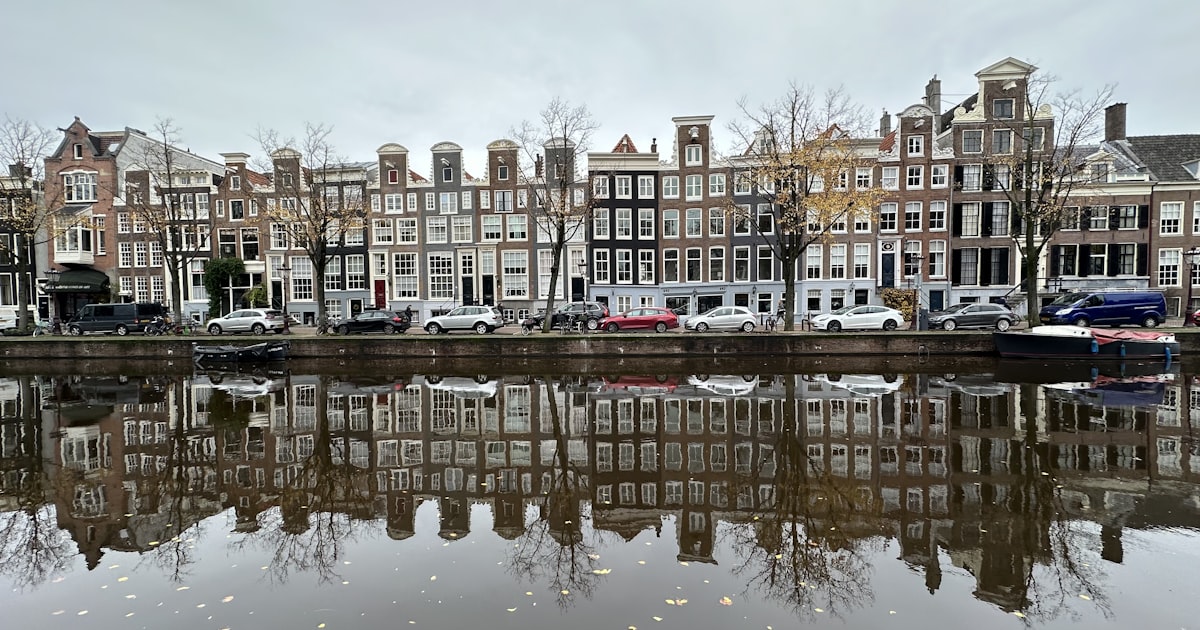
Amsterdam is, by almost every measure, the hardest city in the Netherlands to find a rental home — and the most rewarding once you do. It’s a city where culture, commerce, and cycling infrastructure collide in more than 750 years of history and centuries of canal-side architecture. But it’s also a city where a decent two-bedroom apartment can disappear within hours of being listed, where viewing slots fill up like concert tickets, and where landlords receive many applications for a single property.
If you want to rent in Amsterdam, you need to go in prepared. That means knowing what prices to expect in 2026, which neighborhoods suit your lifestyle and budget, and what the practical steps look like from search to contract. This guide covers all of it.
What rent costs in Amsterdam
Rents in Amsterdam’s private sector (vrije sector) are the highest in the country. The ranges below are a rough indication of asking rents, not a measured average; prices vary a lot by neighborhood and by home.
| Property type | Monthly rent range |
|---|---|
| Studio (up to 40m²) | €1,200 – €1,600 |
| 1-bedroom apartment | €1,400 – €2,000 |
| 2-bedroom apartment | €1,800 – €2,800 |
| 3-bedroom apartment | €2,200 – €3,500 |
These figures are for the free-market rental sector and exclude utilities unless stated in the listing. Service costs (servicekosten) for maintenance and shared building facilities often come on top of the base rent, so ask for them before you apply.
A word on social housing: Amsterdam does have an extensive social housing stock managed through a regional waiting-list system. Rents in this sector are capped and far more affordable. The catch is that waiting times run to many years for most categories. Unless you registered years ago, social housing is not a realistic near-term option for most people moving to Amsterdam.
Price variation by location: Prices within Amsterdam vary considerably. A 60m² apartment in the Jordaan or Oud-Zuid costs noticeably more than the same size in Noord or Zuidoost. Location still matters enormously.
Best neighborhoods in Amsterdam by renter type
Amsterdam’s neighborhoods — called buurten and wijken — each have a distinct character. Here is a practical breakdown based on what different types of renters tend to prioritize.
Budget-friendly: Noord, Nieuw-West, Zuidoost
Amsterdam-Noord has transformed dramatically since the IJ-tunnel and ferry connections made it genuinely convenient. Neighborhoods like NDSM, Buikslotermeer, and Volewijck attract artists, remote workers, and younger renters priced out of the center. Expect to pay €1,300–€1,700 for a one-bedroom, with more space for your money than anywhere else on this list.
Nieuw-West (covering areas like Geuzenveld, Slotermeer, and Osdorp) is Amsterdam’s most ethnically diverse district and one of its most affordable. Public transport links are decent, and the green space is genuinely excellent. Rents for a two-bedroom apartment often sit at €1,500–€2,000 — meaningfully below city center equivalents.
Zuidoost, home to the Bijlmermeer area and the ArenA zone, has seen significant investment over the past decade. It’s further from the center and the neighborhood aesthetic is more utilitarian than scenic, but you get large apartments at lower prices: two-bedroom units from €1,600–€2,200 are common. Good metro connections put Centraal Station at 20 minutes.
Expat-friendly: De Pijp, Oud-Zuid, Rivierenbuurt
De Pijp is the most internationally minded residential neighborhood in Amsterdam. The Albert Cuypmarkt runs through the heart of it, there are coffee bars and international restaurants on every street, and the mix of Dutch families, international professionals, and students creates a lively but liveable atmosphere. Rents reflect the demand: a one-bedroom here starts around €1,600 and frequently exceeds €2,000.
Oud-Zuid is Amsterdam’s most prestigious address. Vondelpark, the Museumplein, and the Concertgebouw are practically in your back garden. This is where senior expats, diplomats, and high earners tend to cluster. Two-bedroom apartments routinely cost €2,200–€3,000+, but the quality of housing stock and the lifestyle it supports justify the premium for those who can afford it.
Rivierenbuurt (River Quarter) sits south of De Pijp and has long been popular with international families and professionals. It’s quieter and more residential than De Pijp, with wide streets named after Dutch rivers and solid prewar apartment blocks. Prices are slightly lower than Oud-Zuid: a two-bedroom runs €1,800–€2,400.
Young professionals: Oost, De Baarsjes, Westerpark
Amsterdam-Oost — particularly Oosterparkbuurt and the Java-eiland area — has become the go-to district for young professionals over the past decade. It’s energetic, diverse, and genuinely fun to live in. Rents are mid-range: expect €1,400–€1,900 for a one-bedroom. The tram and metro connections to the center and the Zuidas business district are both good.
De Baarsjes (part of Oud-West/Bos en Lommer) borders the Jordaan and punches above its weight for restaurants, independent shops, and cycling infrastructure. It attracts the kind of young professional who wants inner-city access without Jordaan prices. A one-bedroom typically costs €1,500–€1,900.
Westerpark has built a reputation as one of Amsterdam’s most creative neighborhoods, anchored by the cultural complex at the old Westergasfabriek site. Rents are comparable to De Baarsjes: €1,500–€2,000 for a one-bedroom is typical, though new-build developments along the IJ waterfront have pushed some listings higher.
Families: Buitenveldert, IJburg, Amstelveen
Buitenveldert in Amsterdam-Zuid is quiet, green, and well-served by the North-South metro line, which makes the business district Zuidas a ten-minute ride away. Schools (including the Amsterdam International Community School) are close by. Family-sized three-bedroom apartments rent for €2,200–€2,800.
IJburg is an artificial island development in the IJmeer, built from the early 2000s onwards. Housing stock is modern, there is real green and water space, and it has a genuine community feel. It suits families who prioritize space and modern amenities. Three-bedroom units run €2,200–€3,000.
Amstelveen is technically a separate municipality south of Amsterdam, but it functions as an extension of the city and is reachable in 20–30 minutes by tram or bus. It has excellent international schools (including the British School of Amsterdam), large suburban housing stock, and lower rents than comparable Amsterdam addresses. A three-bedroom house can often be found for €2,000–€2,600 — meaningfully cheaper than IJburg for the same floorplan.
Students: UvA/VU campus areas, Diemen
Students at the University of Amsterdam (UvA) are spread across multiple locations — the main Science Park is in Oost, while the humanities and law faculties are in the center. The best strategy is to apply for SSH student housing as early as possible, but private rentals in Oost, Noord, and even Diemen (just outside the city on the metro line) offer rooms in shared houses and small studios.
The VU Amsterdam campus is in Buitenveldert. Student housing around the Zuidas area is competitive, but Amstelveen and Buitenveldert have private rooms and studios at more accessible prices than the city center.
Practical tips for renting in Amsterdam
Register at the gemeente immediately. The moment you have a rental contract signed, go online or in person to the Gemeente Amsterdam to register your address (inschrijving basisregistratie personen, or BRP). This registration unlocks your DigiD, your BSN number, and a long list of government services. Many landlords require it — but some explicitly prohibit registration, which is illegal but still happens. Always confirm with your landlord before signing that BRP registration is permitted.
Furnished vs. unfurnished means something specific in Dutch. A gestoffeerd apartment has floor coverings and window treatments but no furniture. A gemeubileerd apartment is fully furnished. A kaal apartment is literally bare: no flooring, no curtains, sometimes no kitchen. If you see kaal in a listing, factor in several thousand euros for fitting floors alone. Most Amsterdam rentals in the private sector are gestoffeerd.
You do not pay the landlord’s agent. An agent working for the landlord may not charge you, the tenant, a fee (bemiddelingskosten). You should not pay an agency fee to find a rental. However, tenant-side agents — where you pay an agent to find and negotiate for you — remain legal. If an agency asks you to pay fees for presenting you a landlord’s property, that is illegal and you can reclaim the amount.
Viewing etiquette. Amsterdam viewings (bezichtigingen) are brief, often 15–20 minutes, and competitive. Come prepared with a folder of documents: BSN number, last three payslips or a statement of employment, a copy of your ID, and occasionally a reference letter from your current or previous landlord. Some landlords use online application systems. The faster and more complete your application, the better your chances.
Getting around Amsterdam
Amsterdam is one of the world’s great cycling cities, and renting a bike is often more practical than using public transport within the city. The GVB network (trams, metro, and buses) covers the entire municipality effectively; a GVB monthly subscription covers trams, metro and buses.
Proximity to Centraal Station matters significantly if you commute to other cities. Trains to Utrecht run every 15 minutes and take under 30 minutes; The Hague is under an hour; Rotterdam is about 40 minutes. If your employer is in Amsterdam-Zuidas, the North-South metro line (Line 52) has made neighborhoods like Buitenveldert and even Noord much more practical for daily commutes.
Common pitfalls and scams
Informal marketplaces and groups are high-risk. Amsterdam’s tight market makes it a favourite target for rental scams; our guide to rental scams covers the warning signs. Listings in unmoderated groups frequently involve fake landlords asking for deposits before any viewing. If a landlord cannot meet you in person at the property, refuse to transfer any money.
“Too good to be true” is almost always true. A spacious two-bedroom in De Pijp for €1,200? A furnished studio near Vondelpark for €900? These listings exist to harvest your personal information or your deposit. Prefer established platforms with identity checks, and cross-check landlord identities where possible.
Watch out for fictitious service costs. Some landlords inflate servicekosten (service charges) beyond actual costs to effectively raise the rent while keeping the base rent below regulated thresholds. Under Dutch law, service costs must reflect actual expenses. If the servicekosten seem disproportionate, you can challenge them at the Huurcommissie.
Understand the point system. Since 1 July 2024, the Wet betaalbare huur extends rent regulation to mid-segment homes, using the woningwaarderingsstelsel (WWS, the points system). Homes with up to 186 points fall under a maximum rent. If your landlord is charging more than the allowed maximum for your property’s point score, you may be entitled to a rent reduction — even after signing.
Find your Amsterdam rental with RentBear
The Amsterdam rental market moves faster than most people expect. A good listing can be gone within a day, and viewings fill up fast. Checking listings by hand throughout the day simply is not effective.
RentBear watches the major Dutch rental sites around the clock and alerts you when a home matching your search appears: instantly or hourly on Premium, in one daily digest on the free plan. Set your neighborhood or map area, budget and number of bedrooms, and let RentBear do the watching while you get on with the rest of your life.
For the key numbers at a glance, see our Amsterdam renting guide, then set up your Amsterdam search on RentBear.