Moving to the Netherlands is exciting — finding a place to live is the hard part
You’ve accepted the job offer, sorted the work permit, and started planning your new life in the Netherlands. Then you open a Dutch rental website for the first time and the excitement turns into something closer to panic.
The Dutch rental market is one of the most competitive in Europe. Amsterdam is the tightest, and Rotterdam, Utrecht, The Hague and Eindhoven are not far behind. Properties at fair prices go quickly, and landlords receive stacks of applications for a good listing. For expats — who often need to find housing remotely, before they arrive, without a Dutch BSN number, and sometimes without a Dutch bank account — the process can feel designed to work against you.
It isn’t personal. But it is genuinely difficult.
This guide covers everything you need to know before, during, and after your housing search as an expat in the Netherlands. We’ll walk through the documents you’ll need, how income requirements work, the difference between furnished and unfurnished (which is not what you think), the tax advantages available to you, where to search, and the mistakes that trip up expats every single time. By the end, you’ll know exactly what to expect and how to put yourself in the strongest possible position.
Before you arrive: research and temporary housing
The biggest mistake expats make is arriving in the Netherlands without a temporary housing plan, hoping to find a permanent place quickly. In a normal rental market, that approach sometimes works. In the Dutch market, it almost never does.
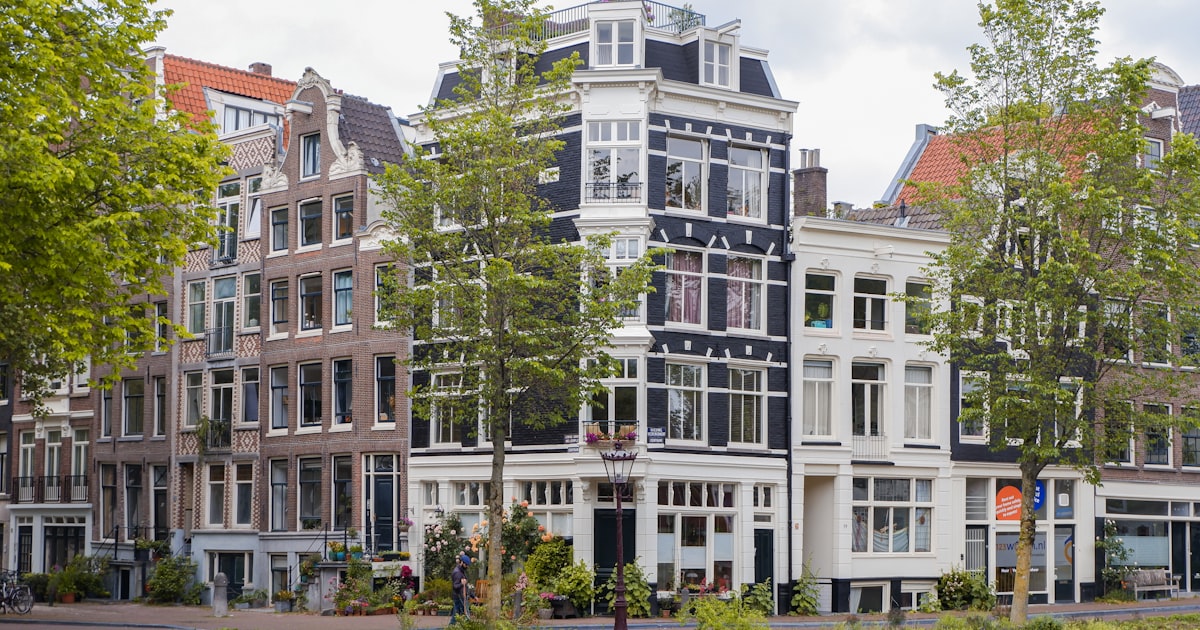
Start your research before you land. Get familiar with the cities and neighbourhoods you’re considering. Amsterdam-Centrum is expensive and hard to break into. Areas like Amsterdam-Noord, Bos en Lommer, or Oost offer better value. In Rotterdam, look at Kralingen, Hillegersberg, or Delfshaven. In Utrecht, Lombok and Wittevrouwen are popular with internationals. The Hague’s Bezuidenhout and Statenkwartier neighbourhoods are well-suited to expats working in the international zone.
For your first weeks, you have several realistic options:
Hotels and serviced apartments are the most flexible. They’re expensive, but they give you time to search without pressure. A month in a serviced apartment can cost several thousand euros depending on the city, but it’s money well spent compared to rushing into a bad rental.
Short-stay furnished rentals are designed exactly for this situation. These are typically month-by-month furnished apartments rented to internationals. They cost more per month than standard rentals, but they’re accessible without a BSN, they’re fully equipped, and they give you a legitimate Dutch address — which you’ll need.
Anti-kraak (anti-squatting) housing is a lesser-known option where residents occupy buildings temporarily to prevent squatting. It is extremely cheap but comes with short notice-to-vacate terms (often only a few weeks) and basic conditions. It suits someone who is flexible and mainly needs an address for registration purposes.
Whatever temporary housing you choose, confirm with the provider that you can register your address at the municipality (gemeente) there. This is not optional — registration is a legal requirement and unlocks almost everything else in the Netherlands.
BSN and municipality registration: your first official task
The Burgerservicenummer (BSN) is the Dutch equivalent of a national identification number. You will need it to open a bank account, receive your salary, access healthcare, file taxes, and — in many cases — rent an apartment. Getting it should be your first bureaucratic priority after arriving.
To get a BSN, you must register with your local gemeente (municipality). In most cities, you need to make an appointment in advance — walk-ins are not accepted. The appointment system in Amsterdam, Rotterdam, and Utrecht is often booked out weeks ahead, so schedule yours before you arrive if your temporary housing provider allows pre-registration.
The law requires you to register within five days of establishing residency in the Netherlands. In practice, enforcement is not immediate, but delays create cascading problems: no BSN means no Dutch bank account, which can delay your first salary payment. Make this a priority.
What you’ll need at registration:
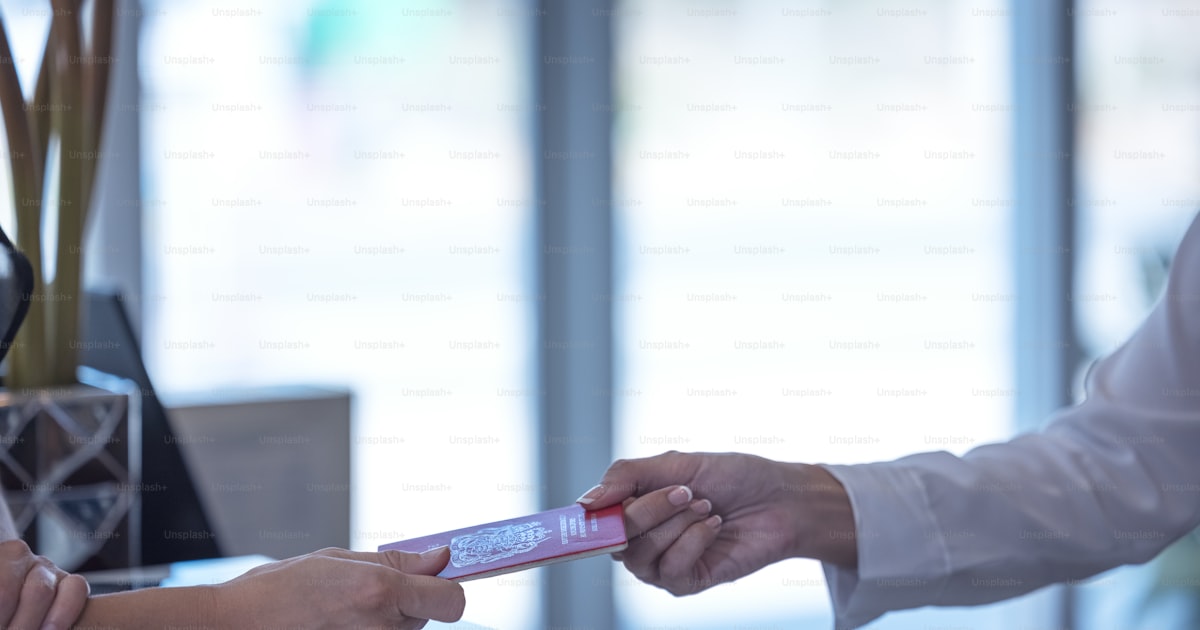
- Your passport or EU identity card
- Proof of your Dutch address (a rental contract, a letter from your employer, or written confirmation from your temporary housing provider)
- In some municipalities, proof of your employment or reason for staying
Your BSN will typically be issued on the spot or within a few days by post.
Can you rent without a BSN? Yes, in many cases. Private landlords and agencies that deal with expats regularly will accept applications without a BSN, especially if you have a signed employment contract and can demonstrate you are actively registering. However, some larger property managers and social housing providers do require a BSN. If a landlord tells you a BSN is mandatory before they can show you the property, they are almost certainly dealing exclusively in the social housing sector — which, as a recent arrival earning an international salary, likely isn’t your market anyway.
Documents you’ll need to rent in the Netherlands
Dutch landlords — and particularly the agencies (makelaars) that represent them — are thorough in their documentation requirements. Prepare a complete rental dossier before you start applying. Having everything ready to send at a moment’s notice can make the difference when a great listing appears.
Standard documents required:
- Passport or EU identity card — a clear colour copy, all pages
- Employment contract — should show your start date, contract type (permanent, temporary, or temporary with intention to make permanent), and gross salary
- Last three months’ salary slips — if you have them; if you’re starting a new job, a salary slip isn’t possible, which is where the employer guarantee letter comes in
- Employer guarantee letter (werkgeversverklaring) — a formal document from your employer confirming your employment status and annual salary; many Dutch employers know this form, and HR departments in international companies will be familiar with it
- Bank statements — typically the last three months, showing your income arriving and your general financial behaviour
- Reference letter — not always required, but useful; a letter from a previous landlord confirming you paid on time and maintained the property well carries genuine weight
If you are self-employed or a freelancer, be prepared for more scrutiny. Landlords will typically ask for two to three years of annual accounts, recent tax returns, and evidence of ongoing contracts. Self-employed applicants face a harder road in the Dutch rental market, and some landlords exclude them entirely.
Income requirements: the 3x–4x rule
Most Dutch landlords and agencies apply a gross income threshold before they will consider your application. The most common rule is that your gross monthly income must be at least three times the monthly rent. Many landlords — particularly in Amsterdam — apply a 4x multiplier for private sector rentals.
So if you are looking at a property at €1,500 per month, you’ll typically need a gross monthly income of €4,500–€6,000. For a €2,000 apartment, that rises to €6,000–€8,000. These are gross figures, meaning before tax.
If your income alone doesn’t meet the threshold, some landlords will consider household income — both your income and a partner’s combined. They will want employment documentation for both.
For new arrivals who don’t yet have salary slips, an employer guarantee letter (werkgeversverklaring) carries significant weight if the employer is a recognisable name. If your employer is a large international company or a well-known Dutch firm, lead with that. If the employer is less well known, a letter on company letterhead with a business registration number (KVK number) adds credibility.
Furnished vs unfurnished: understanding Dutch apartment conditions
This is where many expats get a very unpleasant surprise. In the Netherlands, the word “unfurnished” does not mean what it means in most other countries. It doesn’t mean an apartment without sofas and beds. It often means bare concrete floors, no window coverings, no light fixtures — just the walls and plumbing.
Dutch rentals are commonly described in three conditions:
Kaal (shell condition): The property has bare walls, bare concrete or screed floors, and no fittings beyond the basic plumbing and radiators. There will be ceiling hooks but no light fixtures. There will be curtain rails but no curtains. Tenants are expected to install their own flooring, lighting, window coverings, and kitchen appliances in some cases. This is surprisingly common in the Netherlands, particularly in properties rented from housing associations or in older stock.
Gestoffeerd (carpeted/part-fitted): The apartment has floor covering (carpet, laminate, or tiles) and window coverings (curtains or blinds). There may be some light fixtures. There will be no furniture. This is the middle category — liveable without immediate major investment, but you still need to furnish everything yourself.
Gemeubileerd (furnished): The apartment comes with furniture, a fitted kitchen, appliances, and typically all the basics needed to move in. These are more expensive per month and are common in expat-targeted short-stay and mid-stay rental platforms.
If you’re arriving from abroad and don’t want to ship or buy furniture immediately, target gemeubileerd or gestoffeerd rentals. If you’re planning to settle long-term and happy to invest in a home, a kaal apartment gives you the most control over the space.
Always confirm the apartment condition before signing. Ask the agency or landlord explicitly: is the apartment kaal, gestoffeerd, or gemeubileerd? Ask for photos that show the floor and the ceiling, not just the styled angles. When you visit, check whether light fixtures are present, whether there is flooring, and whether the kitchen is equipped.
The 30% ruling: a tax advantage worth knowing about
If you are hired from abroad to work in the Netherlands and your employer sponsors your relocation, you may qualify for the 30% ruling (30%-regeling). This is a Dutch tax facility that lets eligible expat employees receive part of their gross salary tax-free, for up to five years. The percentage is set to fall from 30% to 27% from 2027, and there is a salary cap, so check the Belastingdienst for the rate that applies to you.
The 30% ruling doesn’t directly affect your ability to rent an apartment, but it has an indirect effect that matters: it increases your net income significantly. A gross salary of €5,000 per month with the 30% ruling applied gives you a meaningfully higher take-home pay than the same salary without it.
More relevantly, some landlords and agencies will ask whether you have the 30% ruling when assessing your application, because it is a marker of a certain professional profile — internationally recruited, typically stable employer, higher salary bracket.
To qualify, you must be recruited from abroad (living more than 150km from the Dutch border before your employment starts), and your employer must apply for the ruling on your behalf. It is not automatic. Ask your HR department or a Dutch tax adviser as soon as you arrive.
Where to search for rentals as an expat
The Dutch rental market is spread across multiple platforms. Checking only one or two means missing listings. Cover several categories:
Large national portals carry professionally managed rentals from registered agencies and generally have the broadest inventory.
International rental platforms often provide English-language listings and furnished options for people moving from abroad.
Room and studio marketplaces are useful for students, young professionals, and anyone open to shared housing.
Direct-owner listings can mean lower agency fees and more flexible negotiation, but always verify the landlord and property before paying.
Rental alert services — the platforms above all offer email alerts for new listings. Set up alerts on day one and respond quickly. In a competitive market, speed matters more than a perfect application.
Avoid unverified marketplaces and informal groups for anything requiring upfront payment. Rental scams are common in unmoderated channels, particularly targeting expats who are searching remotely. Never transfer a deposit to anyone you haven’t met, never pay before seeing the property in person (or via a verified video call), and be suspicious of any landlord who is conveniently abroad and asks you to pay first to receive the keys.
Common expat mistakes to avoid
Paying a deposit before viewing. This is the number-one scam trigger. Legitimate landlords in the Netherlands do not ask for a deposit before you have signed a contract and confirmed the rental. If anyone asks for money to “secure your viewing slot” or to “hold the property while they are overseas,” stop immediately.
Not verifying BRP registration is possible. Before you sign any rental contract, confirm that you can register your address at that property with the gemeente (BRP registration). Some landlords — particularly in the short-stay and sublet market — do not permit this. Without BRP registration, you cannot get a BSN, and your entire Dutch administrative life stalls.
Renting from unofficial subletters. Subletting in the Netherlands is regulated. A tenant renting out a property they themselves rent is only allowed to do so with explicit written permission from the original landlord. Subletting without permission is illegal, and if the original landlord discovers it, you can be evicted with very short notice — even if you were acting in good faith as the subtenant. Always ask to see the head lease and confirm the landlord’s permission in writing.
Accepting verbal agreements. Dutch rental law gives tenants strong protections, but those protections largely rest on written contracts. Any agreement about rent-free months, maintenance responsibilities, permitted alterations, or move-in dates should be in the contract. If it is not in writing, it does not exist in any dispute.
Not reading the contract in Dutch. If your contract is in Dutch — which it very likely will be — do not rely solely on a landlord’s summary of its contents. Use a reliable translation tool to read the full document. Pay particular attention to the opzegtermijn (notice period), the borgsom (deposit) terms and conditions for its return, and any clauses about automatic rent increases.
Assuming furnished means complete. As covered above, always confirm what “furnished” actually means in each specific listing.
Useful Dutch rental vocabulary
You will encounter these terms constantly. Knowing them will help you navigate listings, contracts, and conversations with agencies.
- Huurwoning — rental property
- Te huur — for rent
- Makelaar — real estate agent
- Borgsom — security deposit (typically one or two months’ rent)
- Huurcontract — rental contract
- Opzegtermijn — notice period (typically one month for tenants)
- Kaal — shell condition (bare apartment)
- Gestoffeerd — part-fitted (floors and window coverings included)
- Gemeubileerd — furnished
- Servicekosten — service costs (often included in rent for apartments with shared facilities)
- Vrije sector — private rental sector (market-rate rents, not social housing)
- Sociale huurwoning — social housing (subsidised, long waiting lists, not accessible to most new expats)
- BRP — Basisregistratie Personen, the municipal registration system
- BSN — Burgerservicenummer, national identification number
- KVK — Kamer van Koophandel (Chamber of Commerce), relevant if your employer is a Dutch company
Let RentBear help you move faster
The hardest part of the expat rental search isn’t the paperwork — it’s the speed. Good properties rarely stay online for long. If you’re checking platforms manually, working in a different time zone, or simply busy with your job and relocation logistics, you will miss listings you could have had.
RentBear watches the major Dutch rental sites around the clock and alerts you when a home matching your search appears: instantly or hourly on Premium, in one daily digest on the free plan. You set your search once (city or map area, price range, number of bedrooms, furnished or not) and RentBear does the watching. Every alert links straight to the original listing.
For expats navigating a foreign rental market while juggling a relocation, starting a new job, and learning a new country, having one less thing to worry about makes a real difference. RentBear is built for exactly this situation.
The Dutch rental market is tough. But with the right preparation and the right tools, you can find your home here. Get your paperwork in order with our checklist of documents you need to rent, read up on renting as an expat, and start your search on RentBear for free.